$cat about.md · a small bench on adam street

a small studio that reads every line twice, then cuts the third.

Hatchet & Thread is a writing bench in Long Branch, NJ. We make long-form for B2B software companies: articles, comparison pages and blog refreshes, sold in packages of eight to twelve. The work happens to the sound of a keyboard, a kettle ticking as it cools, and a red pen being uncapped.

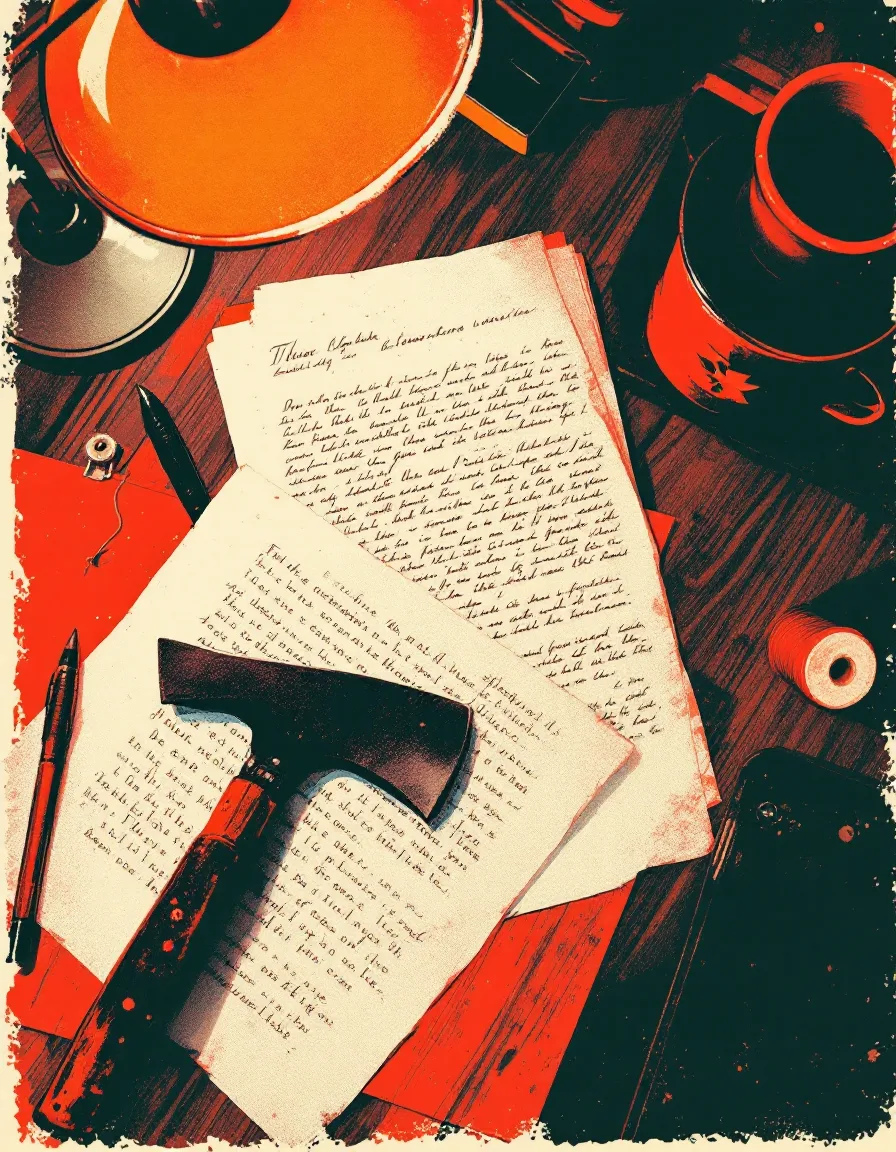
Risograph print of a writing bench with a hatchet, a spool of red thread, marked-up pages and a mug

>why the name

a hatchet to cut, a thread to hold

Most software content fails in one of two ways. It is padded: a thousand words wrapped around a single idea, like sawdust packed around a glass. Or it is brittle: every sentence true on its own and nothing holding the pieces together, so the reader drifts off at the third subhead.

We named the studio after the two fixes. The hatchet is the first pass. It takes off the throat-clearing, the borrowed stats nobody can trace and the paragraph that exists only because a keyword wanted a home. The thread is the second pass: the line that runs from the opening question through every section, so a reader finishes the page and can say what it argued.

An article should sound like someone who has used the product, talking to someone who is about to buy it.

That is why every draft goes to a subject-matter expert before it reaches you. Not a copy editor: a person who has run the dashboards, filed the support tickets and knows which feature is quietly the best one. Their marginalia is where the sentences get their grain.

We keep the studio small on purpose, so the same two hands that read your brief are the ones that cut your draft. Weekdays, 9am to 4:30pm, the phone is answered by someone who has your folder open.

>what’s on the bench

the tools, in the order they touch your draft

  1. the chalk line

    A keyword brief per piece: the term, the search intent and the one question the page has to answer. It guides the cut and never shows on the finished coat.

  2. the rough plane

    A first draft written with the grain still visible: claims flagged, sources attached, and your rivals’ real pricing pages open in the next tab.

  3. the red pen

    Your reviewer reads it on the page. A thirty-minute call per batch, comments left in the margin, and every correction traced back into the draft.

  4. the spool

    Internal links, a topic map for the cluster, and a clean HTML or markdown file with image notes, ready for your CMS. Publishing stays with your team.

!the offcuts pile

what never leaves the studio

invented statsIf a number can’t be traced to a page you could open, it doesn’t go in.

rival bashingA comparison page names the other tool’s best feature plainly. Readers can smell a rigged table.

word-count paddingIf a piece lands at 1,500 words instead of 2,000, you pay the same and read less filler.

unreviewed draftsNothing reaches you that an expert hasn’t first read with a pen in hand.

$dial --studio

talk to the people who’ll hold the pen

(757) 739-5575

hours

weekdays 9am–4:30pm
weekends, the kettle is off

the studio

11 Adam Street
Long Branch, NJ 07740

getting here

find the door on the map →

call the studio · (757) 739-5575